
Modern Slavery Statement
This statement is made under section 54 of the Modern Slavery Act 2015 and considers the UK Home Office guidance on supply chain transparency issued in March 2025. In addition, this statement adheres to the reporting requirements detailed under the Modern Slavery Act 2018 in Australia.
Introduction
Canopius fosters a collaborative, inclusive culture focused on wellbeing and accountability. We empower employees to act responsibly and are committed to eliminating all forms of modern slavery and human trafficking across our operations and supply chain.
In addition to our own actions and compliance with relevant international and local laws, we expect the same from all our business partners, suppliers and contractors. The following statement outlines Canopius’ Company policies and actions in the past twelve months (financial year ending 31 December 2025) to prevent, and if ever discovered occurring, to remediate any form of modern slavery within Canopius’ business operations and supply chain.
Our business
Canopius Group provides global P&C and specialty lines of insurance and reinsurance and has a major presence at Lloyd’s of London (the specialist insurance market provider). Canopius employs over 900 people and operates in Australia, Bermuda, Singapore, the UK, the US, Malaysia (Labuan) and China (through Lloyd’s China). The Group delivered insurance contract written premium of $4,483.8m for the year ended 31 December 2025.
The Group parent company, Canopius Group Limited, is domiciled in Jersey, with a number of underwriting platforms and operating subsidiaries. The scope of this Modern Slavery statement covers the following legal entities:
- Canopius Managing Agents Limited (“CMA”) as the Lloyd’s registered managing agent for Syndicates 4444 and 44 at Lloyd’s. CMA is authorised by the Prudential Regulation Authority and regulated by the Financial Conduct Authority and the Prudential Regulation Authority.
- Other significant operating entities registered in the UK in the Canopius group include Canopius Services Limited, a service company, Canopius Corporate Capital Ltd and Flectat 2 Limited, both Lloyd’s corporate members providing capital to support the underwriting of Lloyd’s Syndicate 4444.
- Canopius Australia & Pacific as the branch company of Canopius Asia PTE Limited (“CAPL”) a registered entity domiciled in Singapore.
Statement
To generate this statement, Canopius undertook a consultation process with the relevant owned and controlled entities covered by the statement. This included incorporating feedback from each relevant entity into our modern slavery processes and the statement itself to ensure their perspectives were considered. The relevant entities had the opportunity to contribute to and endorse the final statement prior to approval.
This collaborative approach ensures the statement reflects a commitment to addressing modern slavery risks and that the named entities are engaged in the ongoing improvement of our practices.
Our approach
As a group with companies regulated around the world, we always work to high professional standards to comply with all laws and regulations applicable to our business. We recognise that the risk of modern slavery is primarily indirect within our operations and arises principally through our supply chain and business relationships. Our approach is therefore focused on identifying, assessing and mitigating these risks through proportionate due diligence and ongoing oversight through collaboration with stakeholders. This approach is kept under review to ensure that it continues to meet evolving modern slavery legislation.
We assess modern slavery risk as part of our procurement, outsourcing and third party risk management processes, considering factors such as the nature of the goods or services provided, geographic location, and labour practices within relevant sectors.
Where appropriate, we apply enhanced due diligence, contractual safeguards and standards of conduct, and we expect suppliers and business partners to align with our ethical and human rights expectations. We also provide channels for concerns to be raised and reviewed, and we keep our approach under review to reflect emerging risks and best practice.
We expect the same high standards from those parties with whom we engage and we are committed to ensuring that there is no modern slavery or human trafficking in our supply chains, in keeping with our Supplier Code of Conduct.
Roles & Responsibilities
The CEO is ultimately responsible for all policies, with approval and adoption of policies from the Board. Designated capabilities drive ongoing improvement and policy integration.
The Risk (second line of defence) and Internal Audit (third line of defence) teams monitor control effectiveness and policy compliance through the control framework. The Group Sustainability and Compliance Teams are responsible for delivering Group-wide training, raising awareness through campaigns and overseeing goal setting, monitoring KPIs and reporting to Management Forums and the Board.
In addition, the Head of Group Compliance oversees the internal Modern Slavery inbox and escalation to the relevant Board where necessary. The Group Procurement Team is responsible for setting out supplier management policies and processes, which include conducting supplier due diligence.
Risk
We work to embed a robust risk management framework throughout our operations, ensuring we effectively analyse and manage risks across our business, including the risk of modern slavery. We carry out a dedicated modern slavery risk assessment for CMA at least annually (most recently in April 2026), led by our second line Risk team.
This assessment uses external data such as the Global Slavery Index to gauge country and sector risk exposure, and it is integrated with our enterprise risk processes (e.g. risk registers, control self-assessments, incident reporting and key risk indicators) to ensure a holistic evaluation. It considers a range of risk factors, specifically our industry/sector, the countries we operate in or engage suppliers from, the nature of our supplier relationships, and our employment practices.
Our most recent assessment did not identify any material change in our risk profile and indicated that, with our current controls in place, the residual risk of modern slavery affecting our business or supply chain is considered low. This rating is based on our internal methodology and reflects the nature of our operations (specialty insurance in low-risk geographies) as well as the mitigating effect of controls currently in place. Importantly, a low risk assessment is not taken to mean no risk. We recognise that no sector is entirely immune to the threat of modern slavery, and we remain vigilant.
Policy Framework
Our Group’s policy framework takes a risk-based approach across our operations and includes policies (and supporting procedures) designed to mitigate the risk of modern slavery. These policies cover key business areas including Procurement, HR, Compliance, Corporate Governance, Internal Audit and Sustainability.
Our Policy framework continues to evolve and is informed by internationally recognised standards on business and human rights, including the UN Guiding Principles on Business and Human Rights, the OECD Due Diligence Guidance for Responsible Business Conduct, and the International Labour Organisation’s core conventions. In addition, we work alongside internal subject matter experts and external partners where relevant.
As it relates to Human Rights and ‘responsible supply chains’ our Outsourcing & Supplier Management Policy is supported by our:
- Procurement Policy
- Supplier Relationship Management Procedure
- Supplier Code of Conduct
- Whistleblowing Policy & supporting procedure
- Resolving Issues at work Policy and supporting procedure (which details Grievance reporting mechanisms)
- Financial Crime Framework policy (covering a suite of policies including Sanctions Policy & Procedures, Anti-money Laundering, Anti-Bribery & Corruption)
Procurement Policies
We have comprehensive procurement policies for the Group that define purchasing standards and procurement principles for the acquisition of goods and services. These policies include but are not limited to the following categories: consumables, including office supplies, equipment, information and communications technology, contractors, consultants, marketing, professional services such as Legal, tax advice and Audit Services, and other outsourcing arrangements.
These policies incorporate social, environmental, and ethical considerations into procurement decisions to minimise adverse impacts across our supply chain, while meeting the business needs of Canopius.
To ensure we develop and maintain responsible and sustainable relationships with our suppliers, we maintain a Supplier Code of Conduct policy, setting clear expectations for suppliers.
Compliance with these policies is enforced through due diligence, contractual obligations, governance oversight and periodic review, ensuring a consistent approach across procurement activity.
Whistleblowing & Grievances
Our Whistleblowing and Resolving Issues at Work policies and supporting procedures establish comprehensive guidance for all employees, both permanent and temporary, regarding the appropriate channels for raising concerns.
We encourage employees and external parties to report any suspected wrongdoing or malpractice within the workplace, as well as potential issues involving third parties acting on our behalf. Through a commitment to openness and transparency, multiple avenues are available for reporting concerns anonymously, including internal and external methods across all operating jurisdictions. These options include a reporting form accessible via the Canopius intranet and a dedicated email address.
Supplier Due Diligence
Our suppliers provide a wide range of products and services that support our business operations. As a specialist provider of insurance and reinsurance, we view our suppliers as critical partners in our business success and expect them to comply with all applicable local laws and regulations. We are firmly committed to ensuring that modern slavery or human trafficking do not occur within our business or supply chain, and we continue to strengthen our processes to support this objective.
Canopius has implemented a procurement and contract management system to enhance supplier due diligence, risk classification and reporting across the supplier base. This has improved the quality of management information available and supports the application of a proportionate, risk based approach to supplier oversight.
During the reporting period, Canopius enhanced its understanding of its supply chain by strengthening supplier due diligence processes and governance arrangements. Modern slavery specific questions are now mandatory for all new suppliers, and the Procurement function continues to provide ongoing oversight of outsourcing activities and supplier relationships.
Canopius takes a risk-based approach to supplier due diligence and oversight. All third-party arrangements have been classified based on risk, criticality and materiality, allowing enhanced due diligence and monitoring to be applied to higher-risk suppliers, jurisdictions and service types. This ensures that procurement activity is focused on areas where modern slavery and broader human rights risks are more likely to arise.
When outsourcing activities or engaging suppliers, we seek to identify, prevent, mitigate and account for actual and potential adverse human rights impacts associated with those relationships. This includes conducting risk-based due diligence proportionate to the nature, location and severity of potential impacts, integrating relevant findings into supplier selection, contracting and oversight arrangements, and using appropriate leverage to influence responsible business conduct where risks are identified.
We recognise that our direct visibility is primarily at the first-tier supplier level. As part of our continuous improvement approach, we are taking steps to strengthen oversight of subcontractors and fourth parties, including increasing focus on subcontracting disclosures during due diligence and supplier attestations relating to supply chain practices.
In addition, our automated due diligence process incorporates questions aligned to the UN Global Compact Strategy and supports the generation of Management Information across our supplier base. This enables us to monitor supplier responses on an ongoing basis and demonstrate alignment with modern slavery legislation.
Procurement works collaboratively with Sustainability, Risk and Legal teams to monitor emerging risks and ensure continued compliance with legislative and regulatory expectations. Procurement is also responsible for embedding due diligence requirements into sourcing, contracting and ongoing supplier management processes.
We expect suppliers and outsourced service providers to uphold equivalent standards, cooperate with monitoring and assurance activities, and address identified issues in a timely and effective manner.
Training
In our 2024 statement, we disclosed planned training for 2025. We met this objective by developing and delivering updated Modern Slavery training. We engaged an external company, Sponge, to support the structure and delivery of the training via our internal learning management system. The content was developed to ensure relevance, appropriateness and alignment with our operating model including Underwriting, Investments and Operations.
The training was delivered to all employees, including contingent workers and executives, in Q4 2025. It is mandatory for all new joiners and repeated biennially for existing employees.
The updated training focuses on building awareness by recognising modern slavery risks including types of exploitation, identifying who is at risk, how modern slavery relates to our business, including supply chain and investment risks, and understanding our collective responsibility to raise and report any concerns. Other key enhancements to the training include:
- A clear, practical framework to modern slavery risk management through a four-pillared approach (identify, assess, monitor and report), providing employees with a consistent and accessible framework to recognise potential modern slavery risks and mechanism for how these incidents should be addressed within the business.
- Contextualised examples relevant to Canopius’ operations and supply chain including how they can present, and where risks may arise within Canopius’ business model, including interactions with suppliers, service providers and outsourced arrangements.
- Role-based responsibilities and escalation routes by outlining responsibilities of individual employees and managers in preventing modern slavery, tailored to business function where appropriate. It explains how concerns should be recorded, escalated and reported, reinforcing individual accountability and the importance of timely reporting.
Employees are also provided with supporting guidance and resources on the four-pillared approach via the company intranet. These resources reinforce how to identify indicators of modern slavery, assess risk, monitor concerns, and report issues through established internal channels, including the Modern Slavery inbox and whistleblowing mechanisms.
Monitoring
Canopius recognises that effective monitoring is essential to demonstrating that our approach to preventing modern slavery is operating effectively. Monitoring is embedded within our wider governance, risk and compliance framework and supports ongoing oversight, accountability and continuous improvement across our operations and supply chain.
Responsibility for monitoring modern slavery risks is shared across relevant functions. Please refer to the ‘Roles and Responsibilities’ section for further detail.
Canopius uses a combination of qualitative and quantitative data to monitor risk and effectiveness, including supplier due diligence information captured through procurement systems, risk assessment of suppliers and outsourced arrangements and records of reported concerns and their outcomes.
This data is used to inform updates to policies, training and employee guidance and enhance procurement processes if gaps are identified. If issues were to arise, remediation actions are tracked through established governance policies to ensure accountability and follow-up. Some of the metrics we track throughout the year are listed in the table below:
| Key Performance Indicator | 2025 Assessment |
|---|---|
| Number of suppliers with completed Modern Slavery due diligence for the period 2025 via new supplier onboarding and renewal activities | 76 |
| Number of cases reported internally and/or within our own supply chain through Whistleblowing or via Modern Slavery inbox | There were 0 cases of Modern Slavery reported through escalation channels |
| Board approval of Modern Slavery Statement | 100% of Board members approved the statement |
The year ahead
We recognise that managing modern slavery risk is an ongoing effort, and Canopius will continue to strengthen its approach to protecting people and preventing modern slavery across operations and supply chains.
We are implementing the following improvements in 2026, with oversight by Boards and relevant Forums and Committees:
- Finalising policy reviews and/or updates to ensure modern slavery and human rights risks are communicated via the policy framework.
- Strengthened due diligence, including procurement processes, to address fourth party risk management by enhancing supplier transparency, strengthening contractual expectations and leveraging management information to improve visibility where the risk of modern slavery is assessed to be higher.
- Dedicated an intranet page for employees to reference modern slavery documentation, training materials and access information on escalation pathways.
- Appointing a Non-Executive Director to be an independent modern slavery champion, similar to our Whistleblowing process, to ensure employees have multiple confidential access points to raise any concerns.
- Continue to evolve our modern slavery KPI framework and undertake periodic reviews across the business and supply chain to support ongoing monitoring and continuous improvement.
- Launching Anti-Slavery Day campaign in October, using the day to raise awareness of the risks of modern slavery.
Declaration
This Modern Slavery Statement 2025 was approved by the Board of Directors of Canopius Managing Agents Limited (CMA) on 27th May 2026, as representative of the UK operating entities within the Canopius Group. Subsequently, following the May approval and the inclusion of non-material amendments to address the scope of the Australian requirements, the statement was adopted and approved by the Board of Directors of Canopius Australia & Pacific Limited (CAPL) on 7th June 2026.
The Modern Slavery Statement will be approved on an annual basis, with each statement reflecting approval for the previous year.
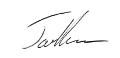
JAMES PEARSON
Canopius UK Chief Financial Officer
27 May 2026